Rods
Picking the right rod for ultralight, BFS or light saltwater work demands a blank that transmits every tap without adding unwanted weight to your hand over a full day of casting. TSURINOYA Rods deliver that sensitivity through high-modulus carbon construction across a focused lineup of spinning and baitcasting models built for trout, bass, perch, pike and seabass. Order online from the official store today and discover why finesse anglers worldwide choose this trusted brand at the best price.


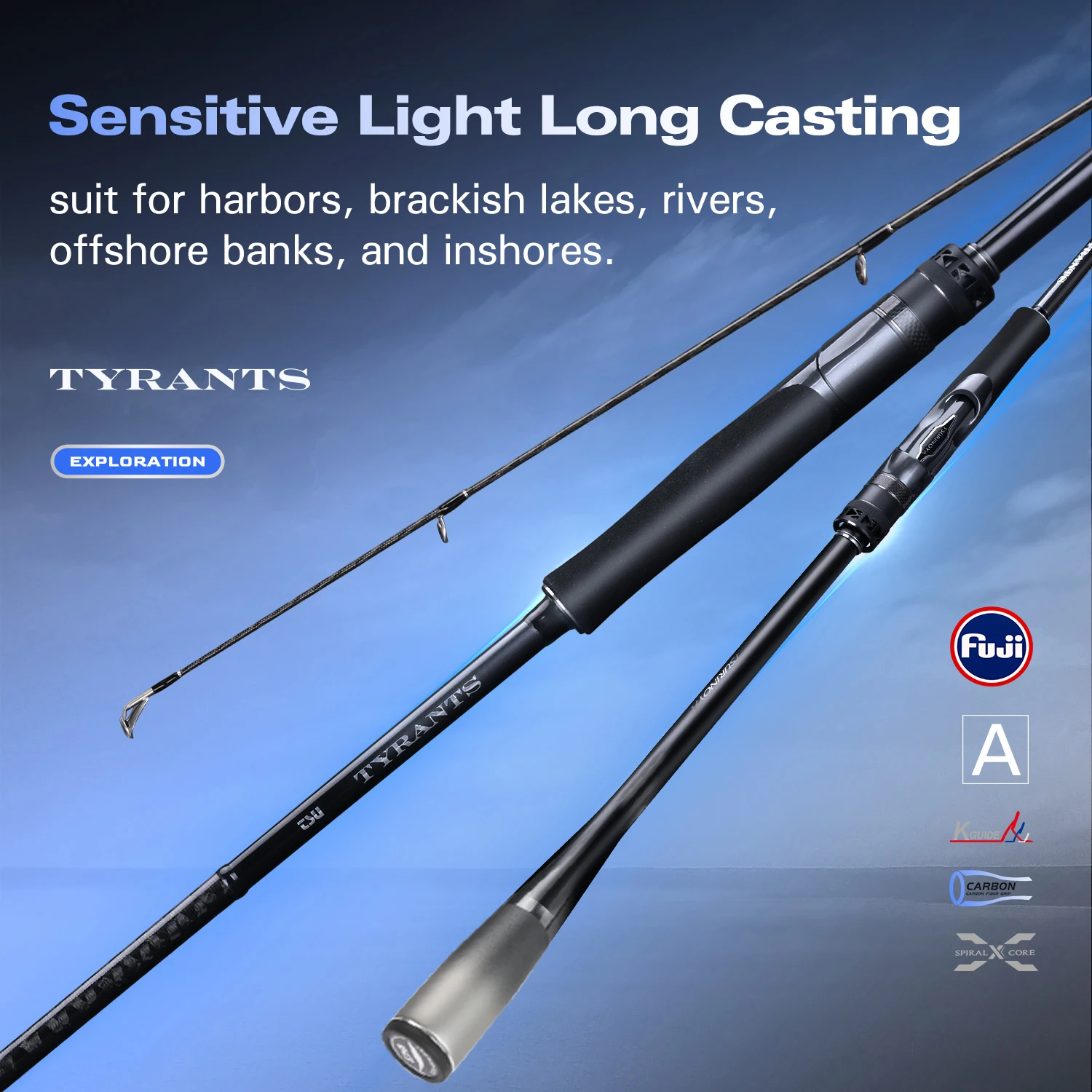
TSURINOYA Rods — Carbon Spinning and Baitcasting for Finesse Anglers
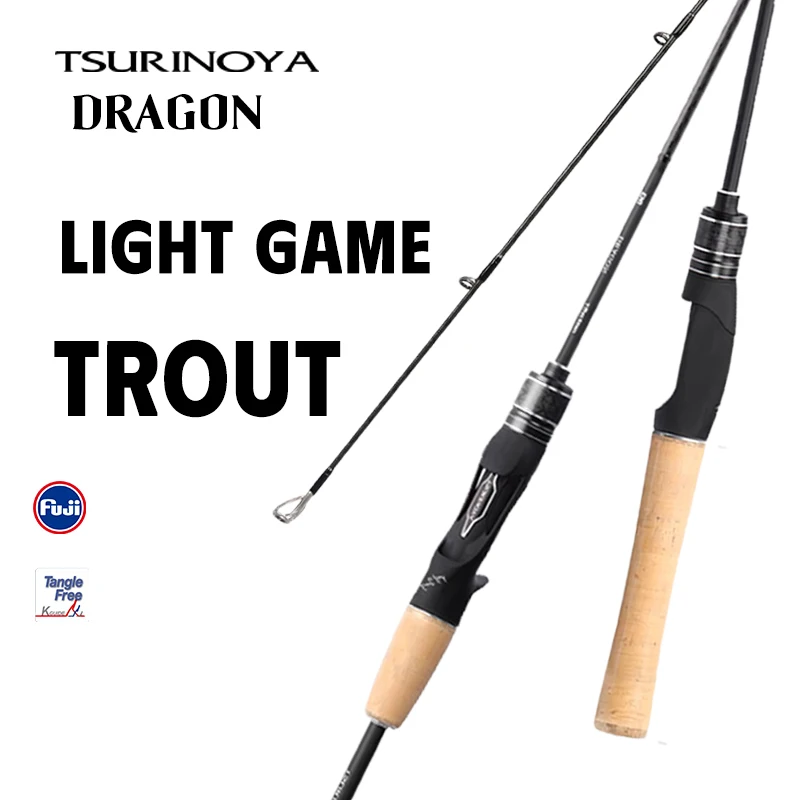
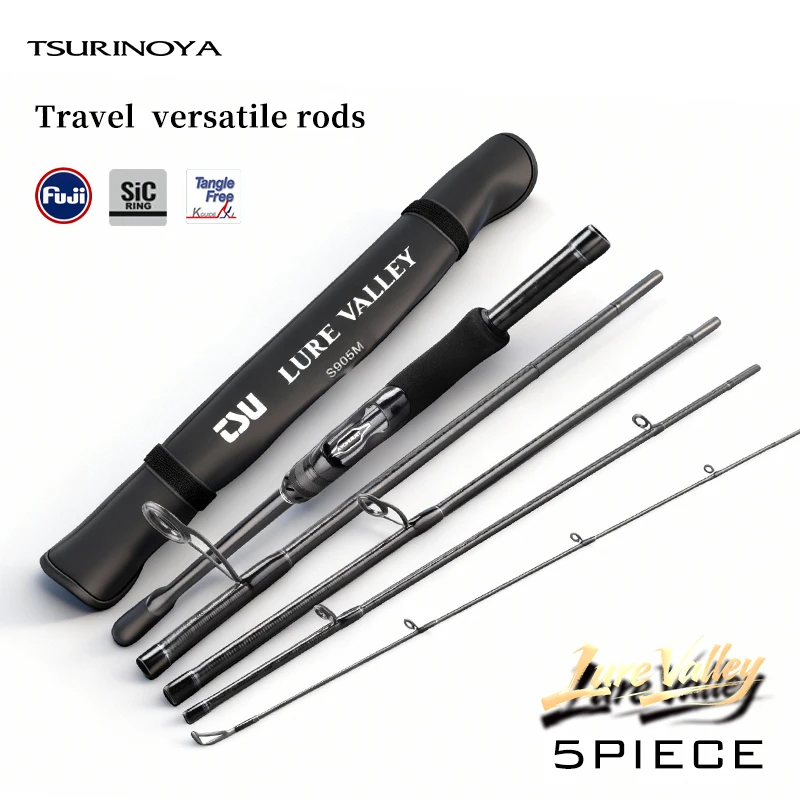
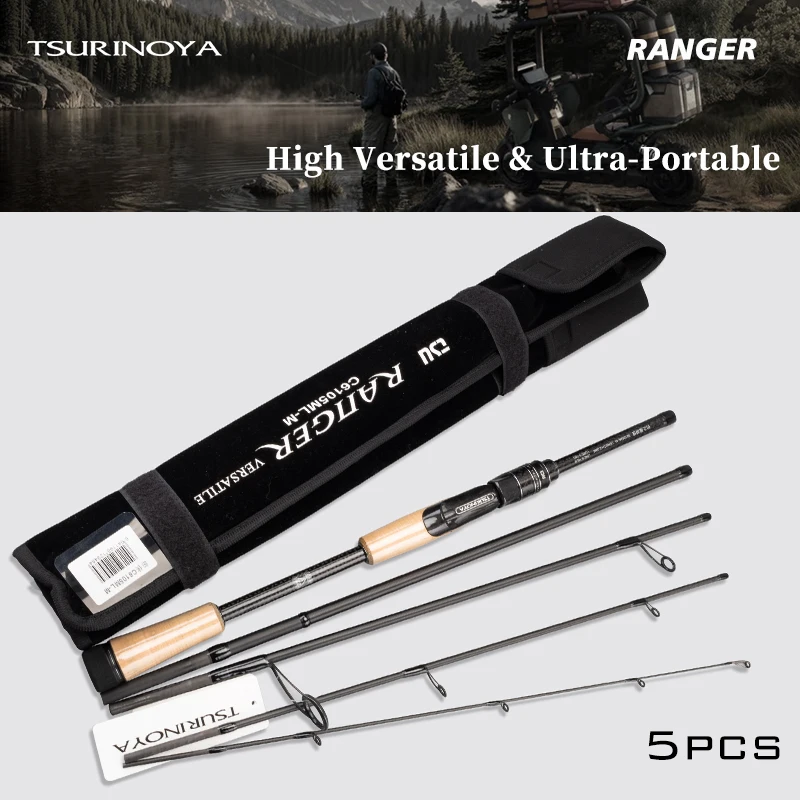
TSURINOYA Rods span two action families — spinning and baitcasting — covering ultralight, BFS and light saltwater power ratings that match the way modern finesse anglers actually fish. The spinning models range from featherweight stream sticks for trout and perch up to moderate-fast blanks capable of handling pike on surface lures in open water. Baitcasting variants are tuned specifically for the BFS system, with softer tip sections that load under sub-5-gram lure weights and transmit strikes with unmistakable clarity. Each rod in the six-product lineup targets a distinct fishing scenario, eliminating redundancy and making the selection process straightforward. Seabass anglers working sandy beaches and rocky points will find dedicated light saltwater models that balance casting distance with the delicate tip action needed for sinking minnow presentations. The brand serves anglers at every experience level, from weekend trout fishers looking for their first quality blank to tournament bass competitors upgrading to a precision tool. This brand has earned consistent respect in finesse fishing communities across multiple continents because the rods perform measurably above their price tier.
High-Modulus Carbon Blanks and Guide Technology
Every blank in the lineup is constructed from high-modulus carbon fiber, a material choice that directly determines how much vibration travels from lure contact up to your fingertips. Higher modulus values mean stiffer fibers per unit of cross-section, which translates into thinner walls, lower weight and faster tip recovery after a cast — all critical factors for ultralight and BFS applications. The carbon spinning and baitcasting blanks pass independent flex-cycle testing with no micro-crack propagation after thousands of repeated bend cycles, confirming structural durability alongside the sensitivity advantage. Guide frames are chosen for minimal weight addition while maintaining full alignment under casting load, using single-foot designs on the lower half of spinning models to preserve blank flex. Reel seats are machined to exact tolerances so the reel locks without play, which would otherwise introduce damping between reel and blank. Cork or EVA grip materials are selected per model based on the grip style typical for that fishing technique, keeping your hand comfortable during repeated short casts all day. Construction details like thread-wrap tightness and resin cure schedule are controlled at the factory, not left to chance, which is why blank-to-blank consistency across the six products is a documented feature of this lineup.
How These Rods Compare to Alternative Finesse Blanks
Many rods marketed as ultralight finesse tools use E-glass composite blanks that add noticeable weight without a proportional gain in strength over high-modulus carbon equivalents. The TSURINOYA carbon spinning and baitcasting blanks weigh measurably less than glass-composite alternatives in the same power rating, and independent gram-scale comparisons confirm differences of 15-25 percent in total rod weight within comparable length classes. Lighter rods reduce wrist and forearm fatigue during sessions exceeding three hours, which directly affects casting accuracy in the final hour when fish activity often peaks. BFS-specific blanks from this trusted brand are calibrated for lure weights down to 1 gram, a threshold that many competing rods rated for BFS fail to cast cleanly in field tests. The guide spacing on these models is validated against actual casting arcs rather than copied from a generic template, which prevents line slap that robs distance on light PE braid. Seabass-oriented models carry enough backbone to control a running fish along a structure edge without flexing into the butt section under normal fighting pressure. Choosing this brand over a generic import means you receive documented engineering intent behind every design decision rather than a re-labeled blank of unknown provenance.
Matching the Right Rod to Your Target Species and Technique
For stream trout and micro-bass presentations with lures under 3 grams, select an ultralight spinning model in the 1.8-2.1 meter range with an extra-fast tip action and a power rating starting at 0.5 grams minimum. Perch and bass anglers working heavier finesse rigs — ned rigs, drop-shots and small swimbaits — benefit from a moderate-fast spinning blank in the 2.1-2.4 meter range rated to around 10 grams maximum. BFS baitcasting applications call for a dedicated blank with a soft parabolic tip section; pair it with a light BFS baitcasting reel and 6-10 lb fluorocarbon for clean presentations on pressured fish. Pike on surface lures and small jerkbaits demand the heavier end of the lineup, where a medium-light baitcasting or spinning model with a faster recovery rate keeps the retrieve cadence consistent. Seabass fishing along the shore requires a light saltwater spinning rod in the 2.4-2.7 meter class that casts sinking minnows 40-60 meters with acceptable accuracy against coastal wind. Always check the lure weight range printed on the blank before buying, because casting outside that window stresses the graphite fibers and shortens service life. Shop now at the official store, compare the full six-product lineup side by side and order at the best price with full warranty coverage included.